
- Home
- Raw materials
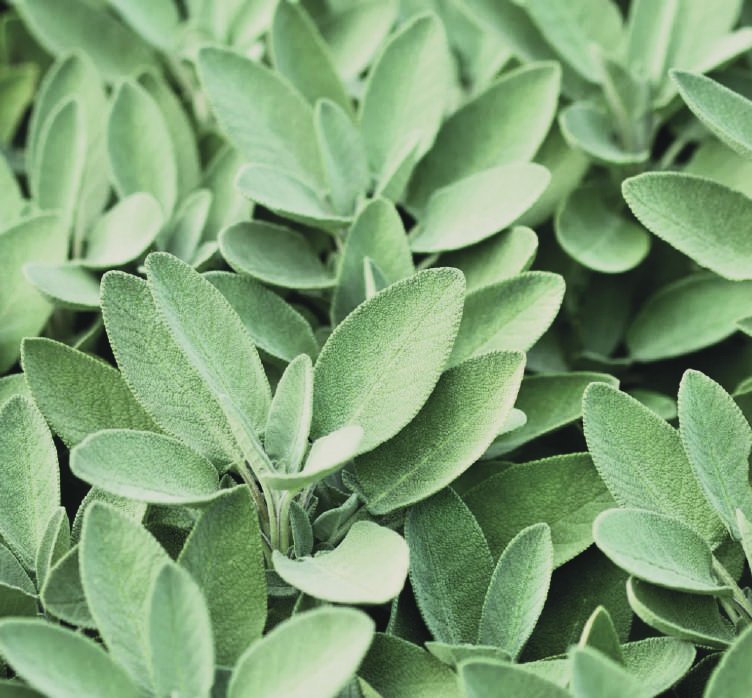
- Common Sage
Essential oil
Common Sage essential oil
Salvia officinalis- Appearance
- Clear liquid
- Colour
- Colourless to pale yellow
- Odour
- Fresh, sweet, herbaceous, warm aroma with floral undertones
Physico-chemical properties
| Parameter | Value |
|---|---|
| Relative density (g/cm³) (20°C) | from 0.908 to 0.923 |
| Refractive index (20°C) | from 1.458 to 1.474 |
| Optical rotation (20°C) (°) | from +2 to +28 |
Content of characteristic ingredients (by GC), %
| Ingredient | Content, % |
|---|---|
| Linalyl acetate + Linalool | up to 0.2 |
| α-Humulene | up to 2.9 |
| β-Pinene | from 1 to 17.9 |
| β-Thujone | from 0.7 to 17.4 |
| α-Thujone | from 10 to 33.3 |
| 1,8-Cineole | from 11.2 to 12.5 |
| Camphene | from 0.5 to 4.4 |
| Camphor | from 0.1 to 11.7 |
| Borneol | from 1.6 to 3.2 |
Therapeutic properties
In folk medicine, Salvia officinalis has been used for the treatment of different kinds of disorders, including seizure, ulcers, gout, rheumatism, inflammation, dizziness, tremor, paralysis, diarrhea, and hyperglycemia. In recent years, this plant has been a subject of intensive studies to document its traditional use and to find new biological effects. These studies have revealed a wide range of pharmacological activities for S. officinalis. Present review highlights the up-to-date information on the pharmacological findings that have been frequently reported for S. officinalis. These findings include anticancer, anti-inflammatory, antinociceptive, antioxidant, antimicrobial, antimutagenic, antidementia, hypoglycemic, and hypolipidemic effects.
Information as published in the Alta Oils product catalogue. It is not medical advice.